


The electrification of heavy-duty transport requires robust, high-performance powertrain systems capable of operating efficiently under demanding real-world conditions. Within this context, the RHODaS project has successfully validated its Integrated Motor Drive (IMD) within a fully operational e-axle system, demonstrating a significant step forward in electric powertrain development.
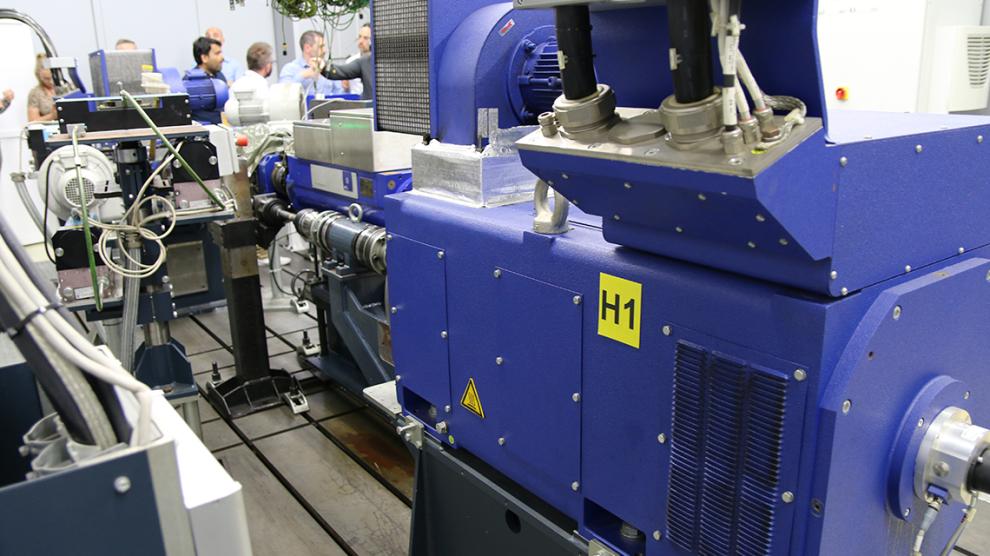
As detailed in a recent report by BOSMAL and Valeo, the project combined advanced power electronics, mechanical integration and digital monitoring into a single test platform, enabling comprehensive validation of system performance, efficiency and reliability.
A Fully Integrated e-Axle Test Platform
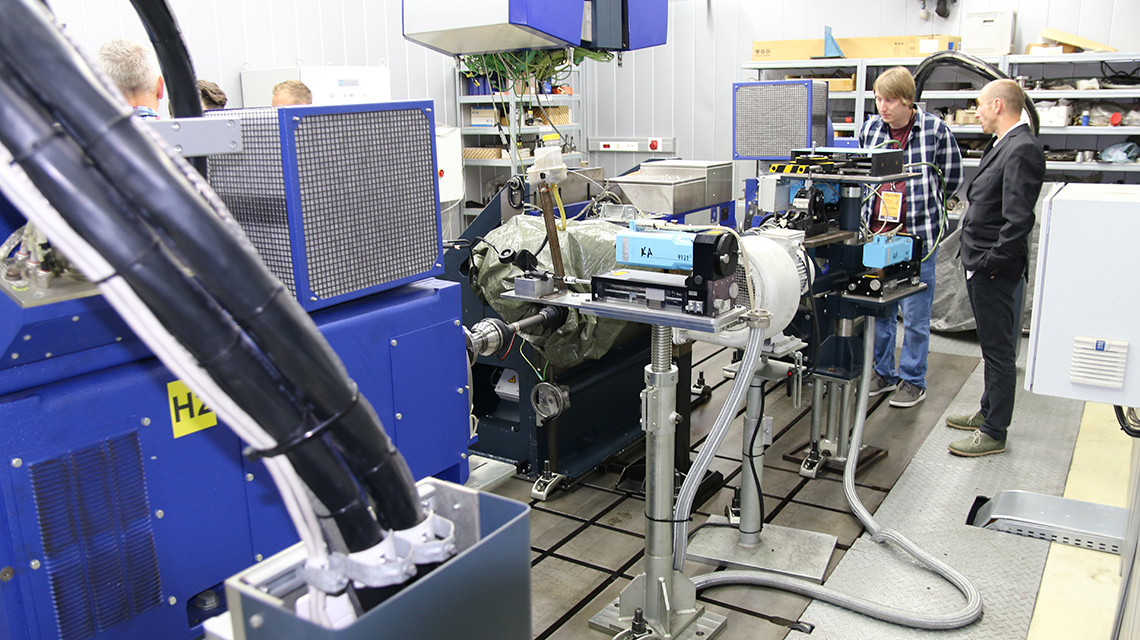
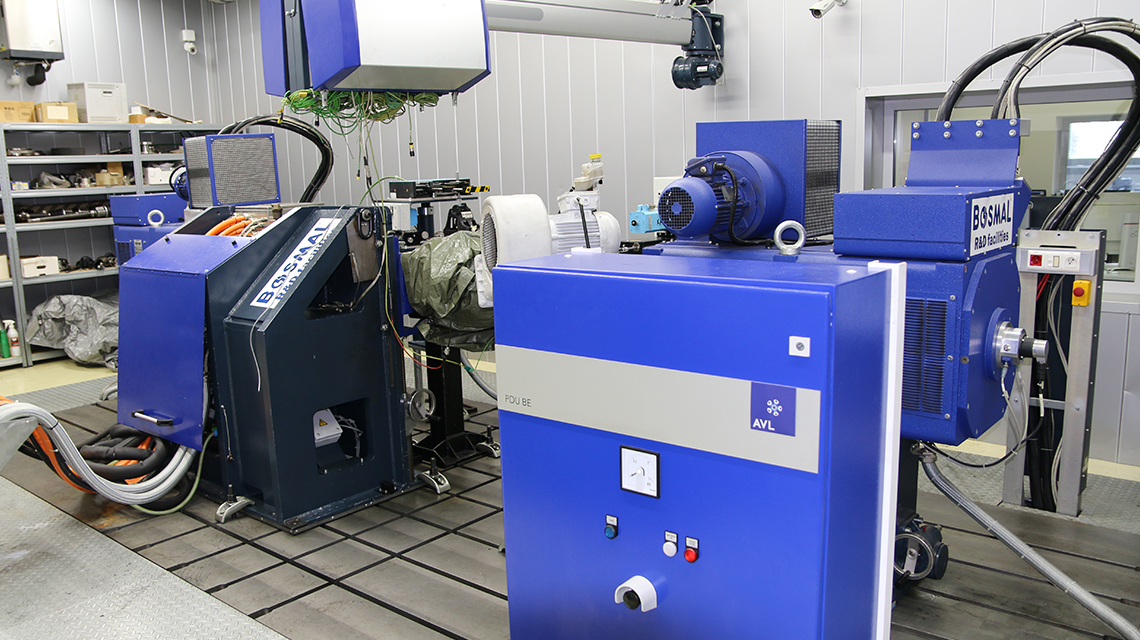
The RHODaS test bench was designed to replicate real-world operating conditions by integrating all key components of the electric powertrain into a single system. At its core is a high-power hybrid inverter based on Gallium Nitride (GaN) and Silicon Carbide (SiC) technologies, featuring a modular architecture and dedicated thermal management system.
This inverter is coupled with an electric motor and a two-speed gearbox equipped with sensors for monitoring rotational speed, oil temperature and pressure. A dedicated cooling and lubrication system ensures stable operation during high-load conditions.
Complementing the physical system, an advanced IoT platform was integrated, consisting of a gateway, condition monitoring unit, sensors and a cloud-based environment. This digital layer enables real-time data acquisition, system monitoring and predictive analytics, providing a comprehensive view of system behaviour during operation.
Together, these components form a complete e-axle system, enabling end-to-end validation of both hardware and software under representative operating conditions.
Rigorous Testing Under Realistic Conditions
The RHODaS validation campaign followed a structured and multi-level testing approach to assess each subsystem as well as the fully integrated e-axle.
Initial gearbox testing ensured correct installation and operational readiness, followed by efficiency mapping across the full operating range to identify optimal performance conditions. In parallel, the high-power inverter underwent detailed thermal and electrical characterisation, including temperature rise analysis and efficiency measurements in accordance with established standards.
System-level testing of the e-axle focused on performance under dynamic and realistic conditions. Efficiency mapping across torque-speed ranges was complemented by simulated driving cycle tests, allowing evaluation of system behaviour in representative vehicle scenarios. Maximum and continuous power capabilities were assessed in line with regulatory requirements, while regenerative braking tests confirmed the system’s ability to recover energy during deceleration.
Additional analyses, including harmonics evaluation, ensured high power quality and stable inverter operation. The complete system integration was also demonstrated, validating communication between sensors, control systems and cloud-based infrastructure.
Digital Validation and Predictive Capabilities
A key innovation of the RHODaS platform lies in its integration of advanced digital monitoring and control capabilities. The IoT system was extensively tested to ensure reliable communication between hardware components and the cloud environment, using multiple protocols including CAN, MQTT and REST APIs.
Data integrity and synchronisation were verified to ensure accurate logging and analysis of operational parameters. In addition, digital twin models were validated by comparing real-time measurements with predictive simulations, confirming their capability to estimate system behaviour and detect anomalies.
Fault reproduction tests further demonstrated the effectiveness of the platform in identifying and responding to potential issues, including sensor failures, overheating and communication disruptions. The system also enabled remote interaction, allowing operators to modify operating conditions or safely shut down the inverter when required.
High Efficiency and Reliable System Performance
The comprehensive testing campaign confirmed the strong performance of the RHODaS e-axle system. The hybrid inverter architecture delivered high efficiency across a wide operating range, with particular advantages observed in low-power conditions due to the use of GaN devices.
Thermal performance remained stable under demanding conditions, validating the effectiveness of the cooling strategy. At system level, the integration of the inverter, motor and gearbox enabled efficient energy conversion and reliable operation, including effective energy recuperation during braking.
Enabling Future Electric Powertrains
The RHODaS results demonstrate the value of combining advanced power electronics, integrated system design and digital technologies within a single architecture. The validated e-axle system provides a scalable solution for heavy-duty electric vehicles, addressing key challenges related to efficiency, reliability and operational intelligence.
By establishing a comprehensive testing methodology and validating both physical and digital components, RHODaS contributes to the development of next-generation electric powertrains. These innovations will play a critical role in supporting the transition to zero-emission heavy-duty transport, delivering both environmental and operational benefits.
As the technology continues to evolve, particularly with further advancements in wide bandgap semiconductors and digital tools, RHODaS lays the foundation for more efficient, intelligent and sustainable electric mobility solutions.